As we navigate the complex world of environmental sustainability, it’s easy to get lost in the jargon. Terms like “circular economy,” “carbon footprint,” and “greenwashing” are often thrown around, but what do they really mean? In this article, we’ll break down some of the most common environmental terms and concepts, providing clarity on the issues that matter most.
Frequently Asked Questions
- What is a Linear Economy?
A Linear Economy follows a “take-make-dispose” approach, driving resource depletion and environmental degradation. At GreenSense, we’re working to replace this model with a more sustainable alternative. - What is a Circular Economy?
A Circular Economy aims to eliminate waste and continually use resources. It focuses on long-lasting design, maintenance, and recycling to reduce environmental impact. - What is Sustainable Development?
Sustainable Development meets present needs without compromising future generations. It balances economic growth, environmental protection, and social inclusion. - What is Climate Change?
Climate Change refers to long-term shifts in temperature and weather patterns, primarily driven by human activities like burning fossil fuels and deforestation. - What is Global Warming?
Global Warming is the increase in Earth’s average surface temperature, a key aspect of climate change caused by greenhouse gas emissions. - What are Greenhouse Gases (GHGs)?
GHGs trap heat in the atmosphere, contributing to climate change. Examples include carbon dioxide, methane, and nitrous oxide. - What is a Carbon Footprint?
A Carbon Footprint measures the total greenhouse gas emissions caused by an individual, organization, or product. - What is Carbon Accounting?
Carbon Accounting involves measuring and tracking greenhouse gas emissions, essential for ESG reporting and climate strategy. - What is Carbon Sequestration?
Carbon Sequestration is the long-term storage of carbon in plants, soils, and oceans. - What is Carbon Pricing?
Carbon Pricing assigns a cost to carbon emissions, encouraging emission reduction through financial incentives. - What is Recycling?
Recycling processes waste materials into new products, reducing the need for raw materials and environmental impact. - What is Upcycling?
Upcycling transforms waste materials into new products of higher quality or environmental value. - What is Downcycling?
Downcycling recycles materials into lower-quality products, limiting long-term sustainability. - What is Extended Producer Responsibility (EPR)?
EPR holds producers responsible for the treatment or disposal of post-consumer products. - What is Waste-to-Energy (WtE)?
WtE generates energy from waste, reducing landfill waste and greenhouse gas emissions. - What is a Closed-Loop System?
A Closed-Loop System collects, recycles, and reuses waste materials, ensuring no waste leaves the system. - What is Biodegradable?
Biodegradable materials decompose naturally, avoiding environmental pollution. - What is Composting?
Composting recycles organic matter into nutrient-rich soil, reducing landfill waste. - What is a Landfill?
A Landfill is a site for waste disposal by burial, contributing to pollution and greenhouse gas emissions. - What are Fossil Fuels?
Fossil Fuels are non-renewable energy sources like coal, oil, and gas, major contributors to climate change. - What is Climate Adaptation?
Climate Adaptation involves adjusting to actual or expected climatic stimuli, like building permeable roads to handle more rain. - What is Climate Mitigation?
Climate Mitigation reduces or prevents greenhouse gas emissions, like using solar energy instead of coal. - What is the Greenhouse Effect?
The Greenhouse Effect warms the planet’s surface through radiation from the atmosphere. - What is Resilience?
Resilience is the capacity to absorb or benefit from shocks and stresses while maintaining core functions. - What is Green Infrastructure?
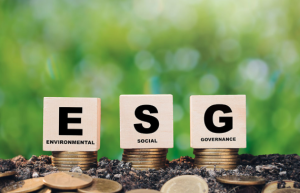
Green Infrastructure manages wet weather impacts, providing community benefits and reducing pollution. - What is ESG (Environmental, Social, and Governance)?
ESG is a framework evaluating a company’s sustainability and ethical impact. - What is Greenwashing?
Greenwashing conveys a false impression of environmental sustainability.
In Summary
Understanding these key environmental terms is crucial for navigating the complex world of sustainability. By grasping these concepts, we can better address climate change, reduce waste, and create a more sustainable future for all 🌎.